
Ecommerce Website Designs UAE Create a High-Converting Online Store with Creative Digital Technologies
The United Arab Emirates has emerged as a dynamic hub for digital commerce, creating exciting opportunities for businesses to connect with customers through online platforms. From fashion and electronics to beauty, home furnishings, and specialized retail, companies across the UAE are increasingly investing in ecommerce to expand their reach, strengthen brand recognition, and generate sustainable revenue.
Book your Free
Session Today
In this competitive environment, professional Ecommerce Website Designs UAE are essential for businesses that want to establish a credible online presence and deliver an exceptional shopping experience. A successful ecommerce website is more than an attractive digital storefront. It combines strategic design, intuitive navigation, responsive functionality, secure payment integration, and search engine optimization to help customers discover products and complete purchases confidently.
Creative Digital Technologies helps businesses strengthen their digital presence through website design and digital solutions aligned with their commercial objectives. By focusing on user experience, visual consistency, functionality, and online visibility, businesses can develop ecommerce platforms that reflect their brand identity and support long-term growth.
Whether you are launching a new ecommerce venture, expanding an established retail business, or upgrading an outdated website, the right design strategy can help transform your online store into a valuable business asset.
Why Professional Ecommerce Website Design Is Essential in the UAE
The UAE’s diverse business environment presents significant opportunities for companies selling products online. However, reaching potential customers requires more than simply listing products on a website. Businesses must create a shopping experience that communicates credibility, provides useful information, and makes purchasing convenient.
Customers typically evaluate several factors before placing an order. They want to understand product features, compare prices, review delivery information, and determine whether a business can be trusted. If a website is difficult to navigate, loads slowly, or presents an unnecessarily complicated checkout process, potential buyers may leave without completing their purchases.
Professional ecommerce website design addresses these challenges by placing customer expectations at the center of the digital experience.
An effective online store provides:
- A strong first impression: Professional layouts and consistent branding help establish credibility.
- Convenient product discovery: Organized categories and effective search tools make products easier to find.
- Responsive functionality: Customers can browse and shop across smartphones, tablets, and desktop computers.
- A streamlined purchasing journey: Clear product information and simplified checkout reduce unnecessary friction.
- Improved search visibility: SEO-friendly architecture helps search engines discover and understand relevant pages.
- Room for future growth: Scalable functionality supports expanding product catalogs and evolving business requirements.
For UAE businesses, localization can further improve the experience. Arabic and English language support, AED pricing, suitable regional payment methods, and transparent delivery policies can make an online store more accessible to its intended audience.


Creative Digital Technologies: Building Ecommerce Experiences Around Your Business Goals
Choosing the right digital partner is an important step in creating an ecommerce website that delivers lasting value. Creative Digital Technologies provides businesses with an opportunity to explore website design and digital solutions that support their branding, customer engagement, and online growth objectives.
Every successful ecommerce project begins with a clear understanding of the business. The target audience, product range, competitive landscape, operational processes, and long-term plans should all influence the website’s design and functionality.
For example, a boutique fashion retailer may prioritize product photography, style filters, and size selection. An electronics supplier may require detailed specifications, product comparisons, and warranty information. A business selling home furnishings may need product dimensions, delivery information, and high-quality lifestyle imagery.
These differences demonstrate why ecommerce design should be approached strategically rather than through a one-size-fits-all template.
Creative Digital Technologies can help businesses consider the essential elements of a professional digital storefront, from visual presentation and responsive layouts to website structure and search visibility. The objective is to create an online experience that communicates the brand effectively while helping customers move naturally from product discovery to purchase.
Essential Elements of High-Quality Ecommerce Website Designs UAE
1. Strategic Visual Design That Strengthens Brand Identity
Your ecommerce website often serves as the first point of contact between your business and potential customers. Its appearance can influence how visitors perceive your professionalism, product quality, and reliability.
A well-designed storefront uses consistent typography, appropriate color schemes, high-quality imagery, and balanced layouts to create a recognizable brand experience. Visual elements should complement the products rather than compete with them for attention.
The homepage should communicate what your business offers, who it serves, and where customers should go next. Featured products, promotional campaigns, category links, and clear calls to action can guide visitors without overwhelming them.
Consistency across the homepage, category pages, product listings, and checkout also helps create a more cohesive experience.
By combining purposeful visual design with clear messaging, businesses can establish a stronger online identity and create an ecommerce website that feels professional from the first interaction.
2. Mobile-First and Responsive Website Development
Mobile accessibility is a fundamental requirement for modern ecommerce websites. Customers may discover products through search engines, social media, digital advertisements, or direct links on their smartphones. If the website performs poorly on smaller screens, businesses risk losing valuable opportunities.
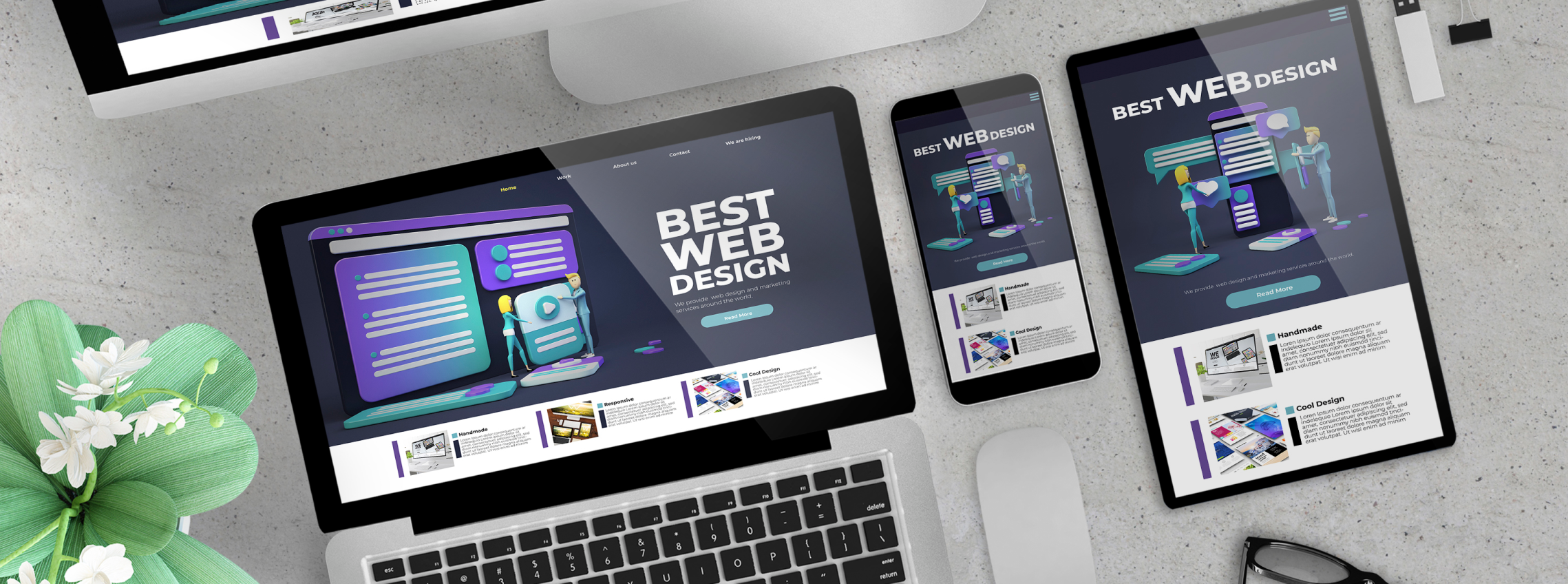
Responsive website design adapts content, images, navigation, and interactive elements to different screen sizes. A mobile-friendly ecommerce store should feature readable text, touch-friendly buttons, accessible menus, and forms that are easy to complete.
Mobile users should also be able to inspect product images, select variations, review prices, and complete checkout without unnecessary scrolling or confusion.
A mobile-first approach goes further by prioritizing the needs of smaller-screen users during the design process. This helps identify essential content and functions before expanding the layout for larger displays.
For UAE businesses serving customers with different devices and browsing habits, responsive design supports accessibility, usability, and a more consistent shopping experience.

3. Intuitive Navigation and Logical Product Categories
Customers should be able to locate relevant products quickly and understand how the website is organized. Complicated menus and poorly structured categories can make shopping frustrating, particularly when a store contains hundreds or thousands of products.
A clear navigation system groups related products into meaningful categories and subcategories. Visible menus, breadcrumb navigation, internal links, and a prominent search bar help customers move between sections efficiently.
Product filters can further improve browsing by allowing visitors to narrow their options according to price, brand, size, color, material, availability, or technical specifications.
The navigation structure should reflect how customers think about the products rather than simply mirroring the company’s internal inventory system.
When customers can find what they need without unnecessary effort, the website becomes easier to use and supports a smoother purchasing journey.
4. Informative Product Pages That Encourage Confident Decisions
Product pages play a central role in ecommerce conversions because they provide the information customers need before making a purchase.
Every product page should communicate the item’s key features, practical benefits, specifications, price, availability, and relevant purchasing conditions. High-quality photographs should show the product clearly from useful angles, while additional images or videos can demonstrate its appearance, functionality, or intended use.
For products with multiple options, provide clearly labeled selections for sizes, colors, models, materials, or other variations.
It is also important to present delivery information, return policies, warranties, and customer reviews where applicable. These details help customers evaluate the purchase more confidently.
Product descriptions should be original, accurate, and tailored to the intended audience. Instead of relying on generic promotional language, explain how the product meets a customer’s needs and what distinguishes it from alternatives.
Well-structured product pages combine useful information with clear calls to action, helping visitors make informed purchasing decisions.
5. Secure Payment Integration and Reliable Checkout
Security and convenience are essential components of a professional ecommerce experience. Customers need confidence that their personal details and payment information will be handled appropriately throughout the purchasing process.
A secure website should use HTTPS, maintain updated software, and integrate reputable payment providers. Depending on the business model, supported options may include credit and debit cards, digital wallets, and cash on delivery where operationally appropriate.
Payment methods should be presented clearly, with applicable restrictions explained before customers reach the final stage of checkout.
The checkout interface should display an accurate order summary, selected products, delivery charges, applicable taxes, and the final payable amount. Forms should request only the information necessary to process the order.
Where appropriate, guest checkout can provide a convenient alternative to mandatory account registration.
By minimizing unnecessary steps and communicating payment terms transparently, businesses can create a more straightforward checkout experience and reduce avoidable purchasing barriers.
6. Advanced Search and Product Filtering Capabilities
For ecommerce businesses with extensive inventories, effective search functionality is essential. Customers should be able to locate products by entering relevant names, categories, brands, or identifying characteristics.
Search suggestions, typo tolerance, and relevant result ordering can improve product discovery when supported by the chosen platform.
Filtering capabilities should reflect the nature of the inventory. Fashion stores may need size, color, and style filters, while electronics retailers may require technical specifications, compatibility, and price ranges.
Sorting options, such as price, popularity, or newest arrivals, can also help customers explore products according to their preferences.
These features are particularly valuable for stores offering multiple product categories. By making product discovery more efficient, businesses can create a shopping experience that feels organized, responsive, and customer-focused.


7. Transparent Delivery, Returns, and Customer Support
An effective ecommerce website continues to support customers after they select a product. Clear delivery information and accessible customer support help establish realistic expectations and build trust.
Businesses should explain their delivery coverage, estimated timeframes, shipping charges, tracking procedures, and return conditions. If delivery options vary by emirate, product type, or order value, those differences should be communicated clearly.
Contact information, frequently asked questions, and appropriate customer support channels should also be easy to find.
For UAE retailers, these details are especially important when serving customers across Dubai, Abu Dhabi, Sharjah, and other emirates. Customers should understand which locations the business serves and what happens after an order is placed.
A transparent approach reduces uncertainty and contributes to a more dependable overall shopping experience.
Custom Ecommerce Website Design vs. Template-Based Solutions
Businesses planning to launch an online store must decide whether a ready-made template or a custom-designed website is the better option. The right choice depends on budget, functionality, branding requirements, and future growth plans.
Template-Based Ecommerce Websites
Template-based solutions provide predefined layouts and commonly used features. They can be suitable for startups and smaller retailers that need to launch quickly with a relatively straightforward product catalog.
Their advantages may include lower initial development costs, shorter implementation timelines, and access to established ecommerce functionality.
However, templates can have limitations when a business requires a distinctive customer journey, specialized integrations, or extensive customization. The quality of the final website also depends on the template, its implementation, and the extensions used.
Custom Ecommerce Website Design
Custom ecommerce design offers greater control over the website’s appearance, structure, functionality, and customer experience. It may be appropriate for businesses with complex product variations, specialized purchasing workflows, or distinctive branding requirements.
A custom solution can also be planned around specific integrations, inventory processes, and future expansion needs.
However, custom development generally requires more planning, investment, testing, and ongoing maintenance than a basic template implementation.
Businesses should evaluate both approaches according to their actual requirements rather than assuming that the most expensive option is automatically the best.
Creative Digital Technologies can help businesses explore an appropriate ecommerce direction based on their objectives, desired functionality, and available resources.

Ecommerce Website Design Solutions for Different UAE Industries
Different industries require different ecommerce features. An effective website should reflect the products being sold, the decisions customers need to make, and the expectations of the target market.
Fashion and Apparel Ecommerce
Fashion websites benefit from high-resolution product images, detailed size guides, clear color and size variations, and filters that simplify browsing. Product recommendations and coordinated collections can help customers discover related items.
Transparent exchange and return policies are also important because customers cannot physically try on products before purchasing.
Electronics and Technology Stores
Electronics retailers should prioritize detailed specifications, compatibility information, warranty details, and comparisons between similar products.
Customers often research technical features before making a decision. Organizing these details clearly helps them evaluate alternatives and select products that meet their requirements.
Beauty, Skincare, and Personal Care
Beauty ecommerce websites can benefit from ingredient lists, usage instructions, product categories, and recommendations based on relevant customer needs.
Clear descriptions and authentic product imagery help customers understand what they are buying. Where appropriate, frequently asked questions can address common concerns about product selection and use.
Furniture and Home Improvement
Furniture websites should provide accurate dimensions, material descriptions, color options, and delivery details. Multiple product images and lifestyle photography can help customers visualize how items may fit within their homes.
Filters based on room, style, material, size, and price can further improve navigation.
Food, Grocery, and Specialty Retail
Food and specialty retailers may require stock availability, delivery scheduling, collection options, product handling information, and clear delivery coverage.
The website should communicate relevant limitations before checkout and make repeat purchases convenient where the business model supports them.
By aligning design with industry-specific requirements, businesses can develop online stores that better serve their customers and distinguish their brands in the marketplace.

How SEO-Friendly Ecommerce Design Improves Online Visibility
An attractive ecommerce website must also be discoverable. Search engine optimization helps businesses improve their chances of appearing for relevant searches and attracting visitors who are actively looking for their products.
SEO should be incorporated into the website’s architecture, content, and technical implementation from the beginning.
Search-Optimized Website Architecture
Organize the website into logical product categories and subcategories. Use descriptive URLs, clear internal links, and a structure that enables visitors and search engines to understand the relationship between pages.
Avoid unnecessary duplication and overly complicated navigation. For larger catalogs, an organized hierarchy can make ongoing content management and optimization easier.
Relevant Product Titles and Original Descriptions
Product titles should identify items accurately and include relevant search terms naturally where appropriate.
Descriptions should explain product features, specifications, benefits, and practical considerations. Original content can provide additional value beyond the generic information supplied by manufacturers.
Category pages should also include useful content when it helps customers understand the available products and make purchasing decisions.
Optimized Product Images
Images are essential to ecommerce, but oversized files can negatively affect loading performance.
Use appropriately compressed images, suitable modern formats where supported, and descriptive alternative text. Alt text should communicate the image’s meaning or purpose rather than repeat keywords unnecessarily.
Technical SEO and Structured Data
Technical SEO helps search engines discover, crawl, and interpret ecommerce pages.
Important considerations include XML sitemaps, appropriate canonical tags, accurate indexing directives, crawlable internal links, and consistent URL handling.
Eligible product pages may also use structured data to communicate information such as price, availability, and review details, provided the markup follows search engine requirements.
Website Performance and Core Web Vitals
A slow or unstable website can undermine the shopping experience. Large images, excessive scripts, unnecessary plugins, and inefficient hosting may contribute to poor performance.
Regular testing should examine important templates, including the homepage, category pages, product pages, and checkout.
Combining technical improvements with a clear content strategy gives ecommerce businesses a stronger foundation for organic search visibility and customer engagement.
Creating a Localized Shopping Experience for UAE Customers
Localization helps businesses adapt their ecommerce websites to the needs of their intended audiences. For companies operating in the UAE, the right combination of language, currency, payment options, and delivery information can improve convenience and accessibility.
Arabic and English Language Options
Depending on the target audience, providing Arabic and English versions can help businesses communicate with a broader customer base.
Translation should be accurate and professionally reviewed. Arabic pages also require appropriate right-to-left layouts, including correctly aligned navigation, forms, product details, and interactive elements.
Both language versions should offer consistent functionality and essential purchasing information.
AED Pricing and Clear Cost Information
Displaying prices in UAE dirhams makes local purchasing decisions more straightforward. The website should clearly explain applicable taxes, shipping fees, discounts, and other relevant charges.
Customers should be able to review the total cost before confirming their orders.
Regionally Appropriate Payment Options
Payment preferences vary by audience and business model. Integrating appropriate payment methods can improve convenience, provided the selected provider supports the business’s location, currency, and operational requirements.
Payment terms, refund policies, and any applicable restrictions should be easy to understand.
Delivery Coverage and Return Policies
Clearly communicate delivery coverage, estimated timeframes, tracking options, and return procedures.
If services differ between emirates or certain products have special delivery requirements, explain those differences before checkout. Transparent policies help customers understand what to expect and support a more reliable purchasing experience.
Common Ecommerce Website Design Mistakes Businesses Should Avoid
Even a visually impressive online store can struggle if important usability and technical requirements are overlooked.
Overcomplicated layouts
Excessive banners, pop-ups, and competing calls to action can distract visitors. Prioritize clear messaging and purposeful design.
Poor product presentation
Inconsistent images and incomplete descriptions make it harder for customers to assess products. Invest in accurate photography and useful product information.
Confusing navigation
Disorganized categories and ineffective search tools create unnecessary friction. Structure the website around customer needs.
Unexpected checkout costs
Unclear shipping fees or additional charges can discourage customers from completing purchases. Communicate relevant costs as early as practical.
Neglected mobile usability
Small buttons, difficult forms, and broken layouts can make mobile shopping frustrating. Test the complete purchasing journey across relevant devices.
Weak security and maintenance
Outdated software, neglected integrations, and broken functionality can create technical and security problems. Establish a regular maintenance schedule.
Ignoring analytics
Without performance measurement, businesses may miss opportunities to improve product discovery and checkout. Monitor relevant metrics and use the findings to guide improvements.
Avoiding these common mistakes helps create a more dependable ecommerce experience and supports the website’s long-term effectiveness.
Choosing the Right Ecommerce Website Design Company in the UAE
Selecting an ecommerce design company is an important business decision. Beyond appearance, businesses should consider the provider’s ability to understand their requirements and deliver a maintainable, functional solution.
Begin by reviewing relevant portfolio examples and evaluating whether the provider understands your industry, branding, and customer journey.
Discuss the proposed platform, project scope, development timeline, third-party integrations, content requirements, hosting arrangements, and ongoing support. Ask how responsive design, performance optimization, website security, and SEO will be addressed.
It is equally important to clarify website ownership, software licenses, access credentials, and responsibilities for future updates.
Before development begins, define the project’s priorities and agree on measurable objectives. These might include improved mobile usability, a more efficient checkout process, better product organization, or increased qualified organic traffic.
Creative Digital Technologies is an option for businesses exploring website design and digital solutions aligned with their commercial goals. A clearly defined brief and open communication can help establish a productive working relationship and improve the chances of achieving the intended results.

A Structured Approach to Developing Your Ecommerce Website
A professional ecommerce project benefits from a clear development process that connects business objectives with practical implementation.
Step 1: Business Discovery and Planning
Identify the target audience, product range, competitors, operational requirements, and long-term objectives. This stage establishes the foundation for design decisions and project priorities.
Step 2: Website Architecture and User Journeys
Plan the homepage, category hierarchy, product pages, search functionality, and checkout journey. Define how customers will move through the website and identify opportunities to simplify navigation.
Step 3: Visual Design and Brand Integration
Develop a consistent visual identity using appropriate typography, colors, layouts, and imagery. Ensure the design supports product discovery and reinforces the business’s brand positioning.
Step 4: Website Development and Integrations
Implement the agreed functionality and connect supported payment gateways, inventory systems, delivery tools, or marketing platforms as required.
Step 5: Content and SEO Implementation
Prepare product information, page titles, descriptions, image alt text, internal links, and technical SEO elements. Confirm that content is accurate and organized for customers and search engines.
Step 6: Testing and Quality Assurance
Test navigation, mobile responsiveness, forms, product variations, cart functionality, payment workflows, and relevant integrations. Review page performance and verify important customer journeys before launch.
Step 7: Launch, Monitoring, and Improvement
Publish the website after completing the necessary checks. Monitor performance, customer behavior, technical issues, and business outcomes to identify areas for future improvement.
The exact process depends on the website’s complexity, platform, integrations, and project requirements.

Building a Scalable Ecommerce Platform for Future Growth
An ecommerce website should support current business needs while remaining adaptable as the company develops.
A well-planned structure makes it easier to introduce new product categories, expand inventory, improve customer communication, and connect additional business systems. A maintainable platform also helps staff manage products and update content efficiently.
Performance data can reveal which categories attract the most interest, which products generate sales, and where customers abandon the purchasing journey. These insights can guide improvements to page layouts, product descriptions, navigation, and checkout.
Businesses should also consider accessibility, customer support, post-purchase communication, and repeat-purchase opportunities as part of their wider ecommerce strategy.
Ongoing optimization is essential because customer expectations, product offerings, and digital technologies continue to evolve. Regular reviews help ensure that the website remains relevant, reliable, and aligned with business objectives.
With the right planning and maintenance, an ecommerce website can become a central platform for customer acquisition, sales, brand development, and long-term business expansion.
Why Invest in Ecommerce Website Designs UAE Today?
A professionally designed ecommerce website gives businesses the opportunity to present their products effectively, serve customers beyond physical locations, and provide a convenient purchasing experience at any time.
It can also bring together search engine optimization, digital advertising, customer analytics, and brand communication within a single digital platform.
However, long-term success depends on more than visual appeal. The website must offer clear navigation, useful product information, responsive functionality, reliable payment processing, and a checkout experience that customers can complete confidently.
Creative Digital Technologies can help businesses explore website design and digital solutions that align with their online objectives. By combining a clear strategy with customer-focused design, companies can build an online store that reflects their brand and supports future opportunities.

Conclusion: Strengthen Your Digital Presence with Ecommerce Website Designs UAE
Investing in professional Ecommerce Website Designs UAE is a strategic step for businesses seeking to expand their online reach, improve customer experiences, and compete effectively in the UAE’s evolving digital marketplace.
A successful ecommerce website combines compelling visual design with intuitive navigation, informative product pages, responsive functionality, secure payments, and search-friendly architecture. Localized features, including Arabic and English language support, AED pricing, suitable payment options, and transparent delivery policies, can further improve the experience for relevant customer groups.
Creative Digital Technologies provides a starting point for businesses seeking website design and digital solutions that support their commercial ambitions. With thoughtful planning, appropriate technology, and continuous optimization, an online store can become a valuable long-term business asset.
If you are preparing to launch an ecommerce business or modernize an existing online store, begin by identifying your customers’ needs, defining your functional requirements, and choosing a design strategy that supports measurable business goals. The right ecommerce foundation can help your brand deliver a more convenient shopping experience and build stronger relationships with customers across the UAE.