
The landscape of search engine optimization (SEO) is undergoing an unprecedented paradigm shift. With the explosive rise of generative AI, the internet has been flooded with synthesized, low-effort content. Search engines have responded by completely recalibrating how they evaluate information. Today, securing a top-ranking spot on Google is no longer a matter of matching keywords, executing simple backlink campaigns, or hitting a target word count. Sustainable organic visibility is now predicated on proving your real-world experience, validating your professional credentials, and establishing unshakeable digital trust.
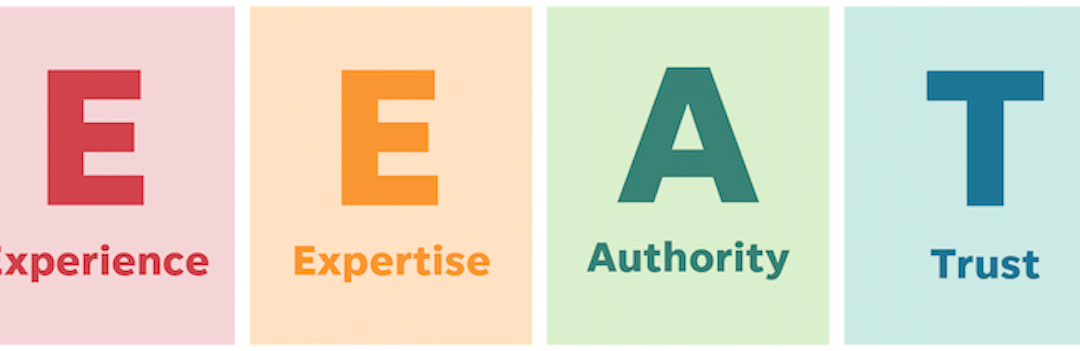
At the absolute epicentre of this modern SEO paradigm is Google’s E-E-A-T optimization framework a comprehensive evaluation model representing Experience, Expertise, Authoritativeness, and Trustworthiness. As an industry-leading digital agency, Creative Digital Technologies helps forward-thinking brands navigate this complex ecosystem. We help businesses transition from legacy, keyword-centric tactics to sophisticated, trust-first search strategies. If you want to protect your organic traffic from core algorithm updates and build an authoritative brand that dominates the SERPs (Search Engine Results Pages), mastering the E-E-A-T optimization framework is not optional it is a core business requirement.
Part 1: Deconstructing the E-E-A-T Optimization Framework
To effectively optimize your digital presence, we must first dispel a common industry misconception: E-E-A-T is not a direct, algorithmic ranking signal in the same way that page load speed, mobile-friendliness, or HTTPS encryption are. You will not find an “E-E-A-T score” inside Google Search Console or any analytics dashboard. Instead, E-E-A-T is a systemic evaluation framework detailed extensively within Google’s Search Quality Rater Guidelines (QRG). Google employs thousands of human Search Quality Raters worldwide to manually evaluate web pages. These raters grade how effectively Google’s search algorithms surface helpful, reliable, and authentic information. Google’s engineers use the data from these quality assessments to refine and train their machine learning models. Over time, these algorithmic updates (such as Core Updates, Helpful Content Updates, and Spam Updates) programmatically favour websites that naturally exhibit these four core attributes:
1. Experience (The “First-Hand” Nuance)
Introduced in late 2022, the first “E” in the framework represents Experience. This was Google’s direct response to the flood of generic, scraped, or purely AI-generated text filling the web. Google wants to know: Does the content creator have direct, real-world, hands-on exposure to the topic?
- The Bad Example: A product review written by a generic affiliate site that simply summarizes product specifications found on Amazon.
- The E-E-A-T Example: A deep-dive review written by an engineer who unboxed, configured, and stress-tested the product in a sandbox environment, complete with original high-resolution photos and diagnostic data.
2. Expertise (Professional Credentials)
While experience represents practical, real-world exposure, Expertise focuses on formal training, professional credentials, and recognized knowledge. This is especially vital when discussing highly complex, technical, or specialized topics.
- The Bad Example: A lifestyle blogger offering complex medical advice or stock-market trading tips without any professional background in medicine or finance.
- The E-E-A-T Example: A detailed medical guide authored by a board-certified physician, containing rigorous citations to peer-reviewed clinical studies.
3. Authoritativeness (Industry Recognition)
Authoritativeness is about reputation and industry standing. It measures whether your website and your authors are recognized as a go-to source of truth within your specific niche.
- The Bad Example: A newly launched blog trying to rank for highly competitive software engineering terms without any external validation or links from the broader developer community.
- The E-E-A-T Example: A software development agency whose technical tutorials are regularly cited by platforms like GitHub, Stack Overflow, and major technology publications.
4. Trustworthiness (The Master Key)
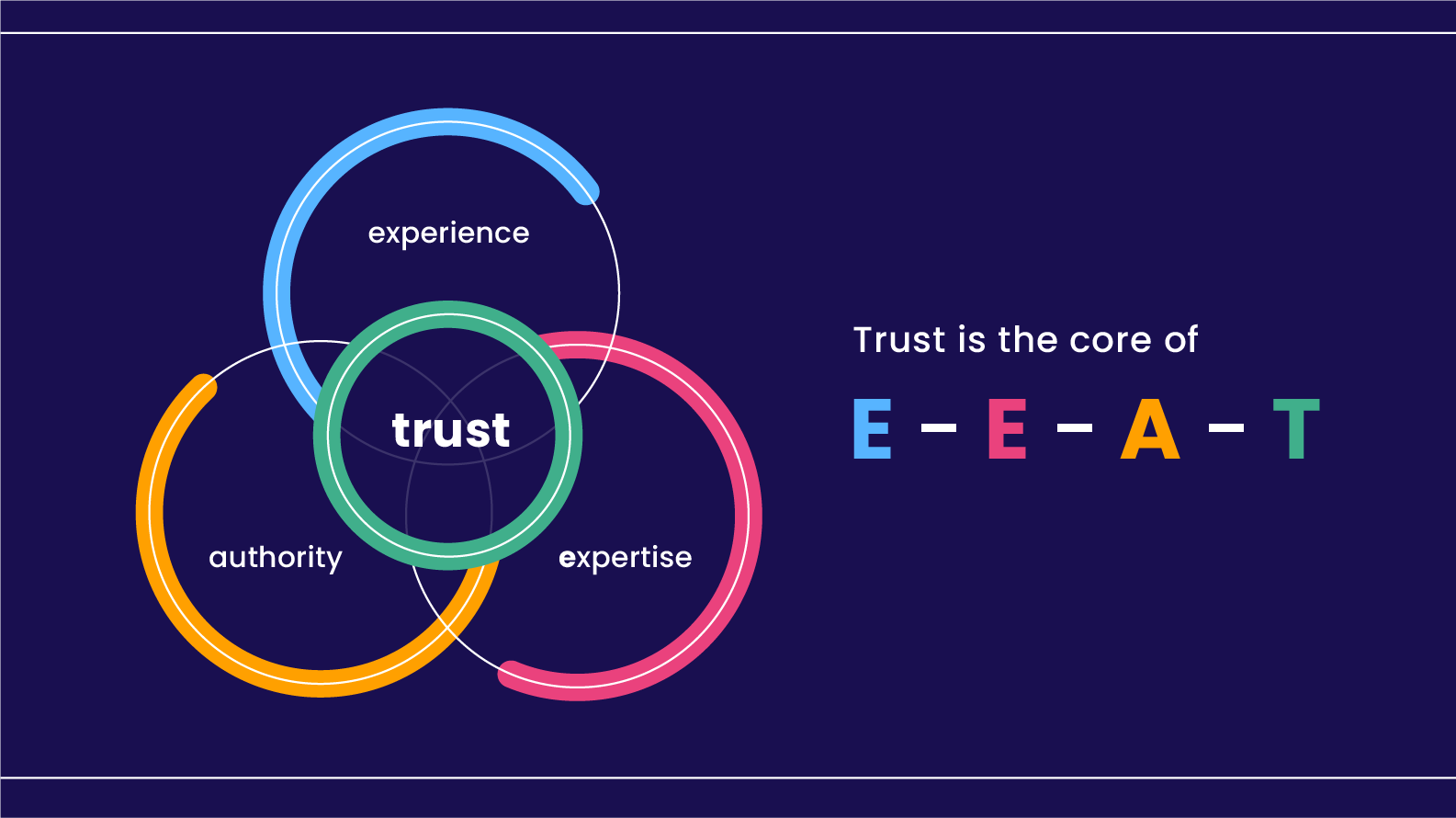
Trustworthiness is the foundational pillar of the entire E-E-A-T optimization framework. Google explicitly states that trust is the most critical element. If a website is deemed untrustworthy, no amount of perceived experience, expertise, or authority can save its organic rankings.
- The Bad Example: A website with hidden contact information, no refund policy, anonymous authors, and unsecured checkout pages.
- The E-E-A-T Example: A secure, highly transparent website featuring clear editorial guidelines, easily accessible terms of service, active customer support channels, and verified buyer reviews.
Part 2: Why E-E-A-T is Vital for YMYL (Your Money or Your Life) Websites
While every website benefits from implementing the E-E-A-T framework, it is an absolute survival mechanism for websites categorized under YMYL (Your Money or Your Life). Google defines YMYL pages as those covering topics that could significantly impact a person’s health, financial stability, safety, or overall well-being. If your business operates in any of the following sectors, Creative Digital Technologies recommends prioritizing E-E-A-T optimization immediately:
- Finance & Investment: Stock market analysis, banking, tax planning, mortgage calculators, retirement advice, and cryptocurrency.
- Healthcare & Medicine: Medical diagnoses, pharmaceutical information, mental health advice, nutrition, and fitness plans.
- Legal & Civics: Legal advice, government services, public policies, voting information, and international law.
- E-Commerce: Online shopping carts, payment gateways, and any portal processing sensitive credit card or personal identification information.
Industry Insight: Google holds YMYL websites to the absolute highest standards of accuracy and transparency. A single major algorithm update can decimate a YMYL website’s organic traffic overnight if it lacks verified author credentials, secure protocols, or cited primary sources.
Part 3: Step-by-Step E-E-A-T Implementation Strategy
At Creative Digital Technologies, we have spent years refining a highly repeatable, technically rigorous approach to E-E-A-T optimization. Below is our blueprint for transforming your website into an authoritative, trust-first platform that both users and search engines will favour.
Part 4: Advanced E-E-A-T Tactics for Competitive Verticals
For businesses operating in highly competitive niches, standard on-page optimizations are just the baseline. To truly differentiate your brand, you must implement advanced E-E-A-T tactics that establish undeniable topical authority.
1. Construct Deep Topical Hubs (Pillar & Cluster Model)
Google does not view authority in a vacuum; it views authority in relation to specific topics. Rather than publishing isolated, random articles, structure your content into tightly organized topical hubs.
- Create a high-level Pillar Page that comprehensively covers a broad subject.
- Create multiple Cluster Pages that dive deep into specific sub-topics.
- Use optimized internal linking to connect the clusters back to the pillar. This signals to search crawlers that your website possesses complete, structured, and exhaustive knowledge on the subject.
2. Implement a Expert Peer-Review System
If your internal team consists of copywriters rather than credentialed subject matter experts, you can bridge the E-E-A-T gap by establishing an advisory or review board. Have every piece of content reviewed, edited, and validated by a credentialed expert. Once approved, update the page design to display both the writer and the reviewer prominently:
Written by: [Copywriter Name]
Medically / Financially Reviewed by: [Credentialed Expert Name, Degree] on [Date]
This dual-attribution model signals to search engine raters and users alike that your content has been vetted by an industry professional.
3. Leverage Digital PR to Build “Entity” Associations
Google uses a highly advanced semantic database known as the Knowledge Graph. This graph maps relationships between different “entities” (people, places, brands, and concepts). To build authority, you want Google to associate your brand name with your core industry keywords. The most effective way to achieve this is through strategic Digital PR:
- Pitch your founders and executives to share expert opinions on major news networks and industry publications.
- Distribute proprietary research papers and industry surveys that force other journalists and competitors to reference and link to your website as the primary source.
Part 5: The ROI of E-E-A-T: Why Trust is Your Best Business Investment
Investing in the E-E-A-T optimization framework is not merely a technical compliance measure it directly impacts your bottom line. Authoritative, highly transparent web presences consistently outperform legacy sites across all key business metrics.
| Organic Performance Metric | Websites with Mature E-E-A-T | Legacy or Low-Quality Sites | Business Impact |
| Average Engagement Rate | 59.16% | 51.56% | 14.7% improvement in user interaction and active site exploration |
| Average Engagement Time | 1:54 | 0:43 | 165% longer session duration, significantly boosting brand recall |
| Conversion Rate (CVR) | High | Low | Establishing trust eliminates transactional friction, boosting purchases |
| Algorithm Volatility Risk | Extremely Low | High | Protection against catastrophic organic traffic losses during Core Updates |
When a consumer lands on a highly authoritative page that features clear author credentials, rigorous citations, and original data, they feel secure. This structural trust leads to reduced bounce rates, increased time-on-site, and ultimately, higher lead generation and sales conversion rates.
Part 6: Navigating the Intersection of AI Content and E-E-A-T
The rapid proliferation of generative artificial intelligence has changed the web forever. Many businesses have attempted to exploit AI by programmatically generating thousands of blog posts in an effort to monopolize organic search. However, this strategy is incredibly short-sighted. Search engines have grown highly adept at identifying and penalizing repetitive, unhelpful, and low-value content. At Creative Digital Technologies, we advocate for a Human-in-the-Loop approach to content creation. We believe AI is an excellent tool for speed, ideation, clustering, and draft outlining. However, to pass the rigorous E-E-A-T criteria, every piece of content must be edited, expanded, and validated by human hands.
The CDT Human-in-the-Loop Workflow:
- AI Acceleration: Use advanced language models to conduct initial keyword research, generate content outlines, and draft basic structural components.
- Human Integration: Have a professional writer inject original research, personal experiences, brand tone, and real-world case studies into the draft.
- Expert Peer Review: Have a credentialed industry expert review the document for technical and factual accuracy.
- Schema Optimization: Apply precise JSON-LD markup to link the finalized asset to its real-world human creators and reviewers.
By executing this hybrid workflow, you can scale your content output while maintaining the rigorous quality standards demanded by the E-E-A-T framework.
Secure Your Organic Future with Creative Digital Technologies
The search landscape will continue to evolve, but the core fundamentals of success will always remain the same: relevance, credibility, and trust. Building and maintaining deep topical authority is a complex, ongoing process that requires a dedicated partner. At Creative Digital Technologies, we build custom, enterprise-grade SEO and content marketing strategies designed to establish undeniable E-E-A-T. From conducting comprehensive site audits to implementing advanced schema structures and executing premium link-earning campaigns, our team ensures your business remains resilient, highly visible, and trusted by millions. Let us help you transform your website into an authoritative digital asset that search engines love to rank and your audience loves to trust.