
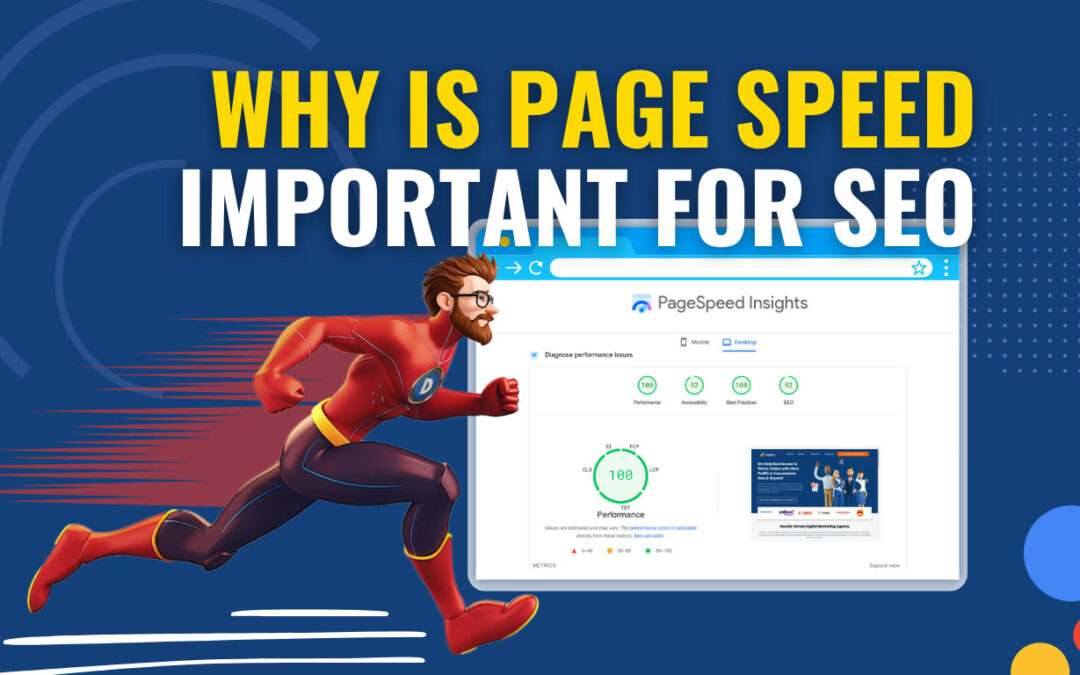
In Dubai’s fast‑paced digital economy, website speed is not just a technical metric it’s a critical business driver. Fast‑loading websites deliver superior user experiences, boost search engine rankings, and drive conversions. At Creative Digital Technologies, we help Dubai businesses optimize website performance to stay competitive in a market where user expectations and digital standards are rising exponentially. In this guide, we explore why website speed matters for SEO, its impact on real user behavior, and actionable strategies to ensure your website performs at its best backed by real‑time industry statistics.
What Website Speed Really Means and Why It Matters
Website speed, often measured as page load time, refers to how fast a webpage fully displays its content in a user’s browser. Every millisecond counts. In 2025, the average website load time globally is around 2.8 seconds, while top‑ranked sites on Google typically load in under 1.7 seconds. Why this matters:
- Websites that load quickly rank better on Google and retain users.
- Slow websites frustrate visitors, leading to higher bounce rates and lost revenue.
For Dubai businesses, where digital expectations are high and competition is intense, website speed directly influences how users perceive and interact with your brand.
How Website Speed Affects SEO in 2026
Search engines like Google use page speed metrics as part of their ranking algorithms. The focus on speed is no longer optional—Google now considers mobile performance and user experience as core factors that influence visibility in search results.
Core Web Vitals: The Speed Metrics That Matter
Google’s Core Web Vitals include:
- Largest Contentful Paint (LCP): How long it takes for the main content to load (ideal: <2.5s)
- First Input Delay (FID): How quickly the page responds to user interaction (ideal: <100ms)
- Cumulative Layout Shift (CLS): How stable the content appears as it loads (ideal: <0.1)
Websites performing well on these metrics provide better user experience and typically rank higher on search engine results pages (SERPs).
Real User Behavior: Speed Influences Engagement
1. User Expectations Are Higher Than Ever
Nearly 47% of users expect a web page to load in 2 seconds or less.
2. Bounce Rates Increase Sharply With Load Time
- 40–54% of users abandon a website that takes longer than 3 seconds to load.
- Bounce rates can rise 32% when page load time increases from 1 to 3 seconds.
3. Slow Sites Lose Customers and Revenue
- A 1‑second delay in load time can reduce conversions by up to 7%.
- Slow websites can decrease mobile conversions by up to 20% per second of delay.
- Retail websites that load in 1 second can convert 2.5–3× better than those loading in 5 seconds.
In practical terms, these statistics mean your website could be losing nearly half of its potential customers simply because it doesn’t load fast enough.
Mobile Users Dominate Browsing, Especially in the UAE
In the UAE, internet access and usage patterns make website speed more important than ever. More than 72% of all internet traffic in the country comes from mobile devices, while mobile users enjoy median download speeds exceeding 441 Mbps as of 2025, reflecting the region’s advanced mobile infrastructure. With mobile internet penetration reaching nearly 95–99% of the population, users in Dubai have high expectations for fast, seamless online experiences. Consequently, if your mobile site is slow, it not only frustrates visitors but also risks failing to meet search engine standards, ultimately impacting both user engagement and SEO performance.
The Business Cost of Slow Website Speed
Slow websites don’t just hurt rankings they hit your bottom line.
- More than 70% of mobile websites took over 5 seconds to load in 2023, and slower load times directly reduce conversions.
- In 2025, slow websites were shown to cost businesses billions in lost sales worldwide.
Real example: Websites that meet Core Web Vitals benchmarks and load faster are more likely to show up in organic search results and generate revenue from organic traffic.
How Website Speed Impacts E‑Commerce in Dubai
For e‑commerce businesses, fast speed is especially crucial:
- 53% of mobile users abandon websites that take more than 3 seconds to load.
- Sites appearing on the first page of Google usually load in about 1.65 seconds significantly faster than average.
- Mobile pages that load in under 2 seconds have significantly better conversion rates than slower pages.
This means that Dubai businesses selling online could see higher engagement, lower cart abandonment, and improved customer loyalty simply by enhancing page speed.
Technical Factors That Influence Website Speed
Optimizing website speed isn’t just about slim code it involves several technical considerations:
- Reliable Hosting: Faster server response times improve overall load speed.
- Image Compression: Using formats like WebP can reduce image size by 35–50% without quality loss.
- Content Delivery Networks (CDNs): CDNs can improve load times by up to 37%.
- Minified Code: Reducing JavaScript and CSS file size eliminates unnecessary load time.
- Lazy Loading: Defers loading of non‑critical elements, improving initial speed.
Together, these strategies help ensure optimal performance that meets both SEO standards and user expectations.
Why Website Speed Is Non‑Negotiable for Dubai SEO
Dubai’s market is uniquely competitive, where every second counts. Users expect instant access to information due to fast mobile networks and widespread connectivity, making speed a key factor in their online experience. Businesses with slow websites risk losing valuable leads to competitors who prioritize speed and SEO optimization.
With high mobile usage and rapid 5G adoption across the city, slow-loading websites are not only more noticeable to users but are also increasingly penalized by Google’s mobile-first indexing. In short, website speed has become a critical differentiator in Dubai’s digital ecosystem, directly influencing search rankings, user retention, and overall conversion performance.
Best Practices to Boost Your Website’s Speed in 2026
Here are proven strategies that Dubai businesses can implement immediately:
- Optimize Images: Convert to WebP and compress large images.
- Enable Browser Caching: Store frequently accessed elements locally.
- Minify CSS/JS: Remove unnecessary code to reduce file size.
- Leverage CDNs: Distribute content globally for faster delivery.
- Implement Lazy Loading: Improve perceived and actual load times.
- Upgrade Hosting: Choose faster, more reliable hosting solutions.
The result? Faster load times, improved SEO rankings, better user experience, and higher revenue potential.
Why Partner With Creative Digital Technologies
At Creative Digital Technologies, we specialize in optimizing websites for speed, SEO, and conversions tailored to the Dubai market. Our approach ensures your website meets modern performance standards and achieves measurable outcomes:
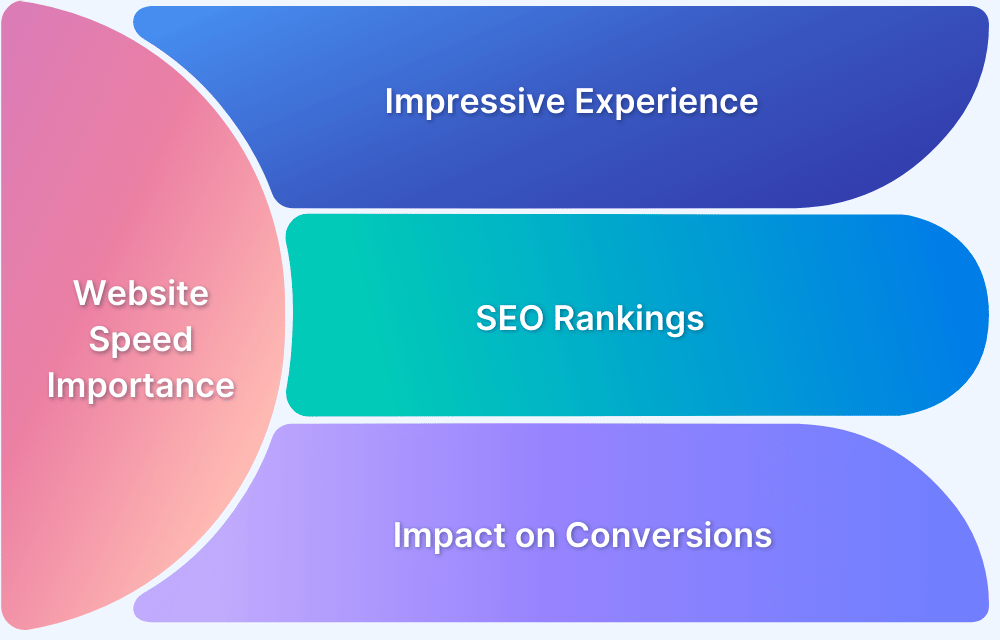
- Improved search rankings thanks to optimized page speed.
- Enhanced user experience that keeps visitors engaged.
- Higher conversions and revenue from faster interaction times.
- Ongoing performance monitoring so your site stays ahead of the competition.
We combine technical expertise with local market insight to help your business thrive online.
Conclusion: Speed Is Not Optional, It’s Strategic
Website speed is no longer a luxury. In Dubai’s digital landscape, it’s a strategic advantage. With massive mobile usage, high internet speeds, and intense competition, faster websites deliver better SEO performance, higher user satisfaction, and greater business growth. Make website speed a priority today your rankings, revenue, and brand reputation depend on it.